
IoT and Environmental Sustainability: How Connected Technologies Drive a Greener Future
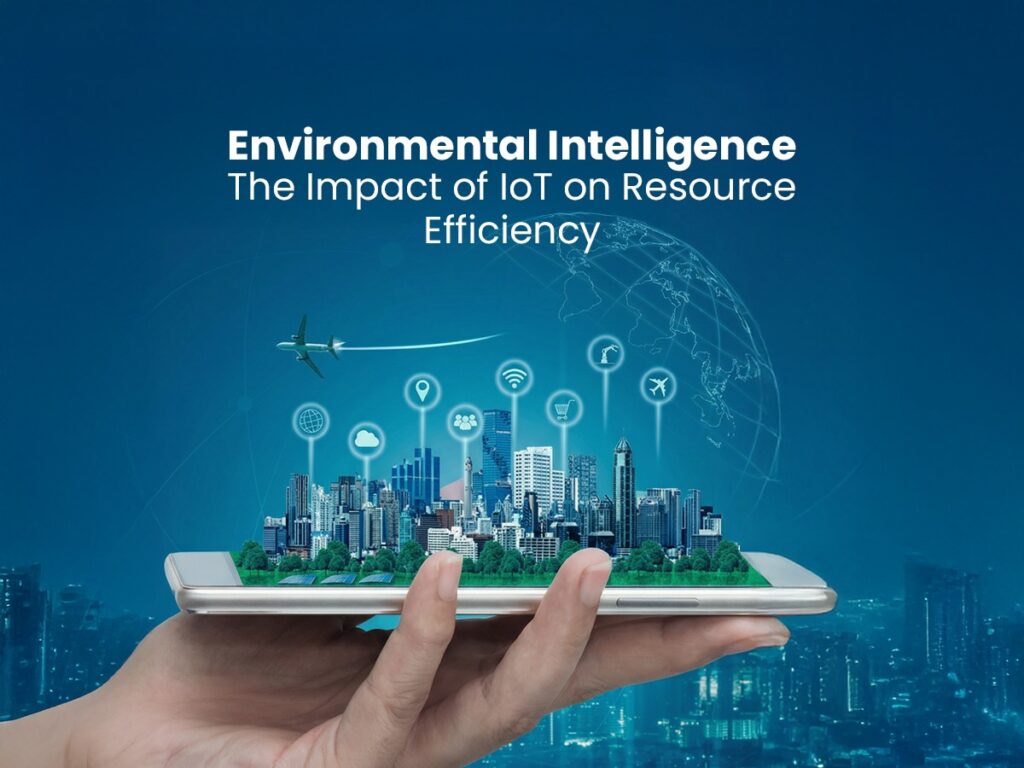
Around the world, governments, enterprises, and smart-city operators are accelerating their sustainability efforts to meet rising environmental challenges such as air pollution, water scarcity, waste accumulation, climate volatility, and rapid urbanization. With increasing pressure on natural resources and infrastructure, traditional environmental management models are no longer sufficient. This is where the Internet of Things (IoT) becomes a transformative enabler of sustainability.
IoT technologies provide the ability to collect real-time environmental data, analyze patterns, detect anomalies, and automate corrective actions with unprecedented accuracy. From smart energy systems and climate monitoring to waste optimization and water management, IoT is at the core of modern environmental strategies aligned with global frameworks such as the UN Sustainable Development Goals (SDGs), the Paris Climate Agreement, and national decarbonization roadmaps.
This article explores how IoT is shaping sustainability in the environmental domain and why it is becoming a cornerstone of future-ready green ecosystems.
1. Real-Time Environmental Monitoring
One of the most powerful applications of IoT in sustainability is continuous environmental sensing. IoT sensors can measure air quality, temperature, humidity, particulate matter (PM2.5/PM10), gas emissions, noise levels, and radiation across urban and industrial settings. These sensors transmit data to centralized platforms, enabling authorities to:
- Detect pollution hotspots
- Forecast air quality trends
- Respond to environmental risks faster
- Plan long-term mitigation strategies
Cities such as Singapore, Barcelona, and Copenhagen have used IoT-based environmental monitoring to reduce pollution exposure and improve residents’ health and comfort. Real-time data also supports climate adaptation policies and ensures compliance with environmental regulations.
2. Smart Energy Optimization
Energy consumption is one of the largest contributors to carbon emissions. IoT-enabled smart energy systems help optimize consumption in buildings, factories, street lighting, and public facilities.
Examples include:
- Smart meters that track usage patterns and reduce waste
- Automated HVAC systems based on occupancy
- IoT-enabled renewable energy integration
- Adaptive street lighting that dims when no movement is detected
These intelligent controls reduce energy waste, lower operational costs, and support national sustainability strategies aimed at decarbonization.
3. Water Conservation and Smart Resource Management
Water scarcity is a rising global challenge. IoT plays a critical role in monitoring and managing water systems through:
- Leak detection sensors in pipelines
- Smart irrigation systems that adjust based on soil moisture
- Water quality sensors for safety and compliance
- Consumption tracking for households and industries
IoT solutions ensure that water resources are used efficiently, reducing losses and protecting ecosystems.
4. Waste Management and Circular Economy
IoT-powered waste solutions help cities implement more sustainable and cost-effective waste management practices. Smart bins equipped with fill-level sensors allow municipalities to:
- Optimize collection routes
- Reduce fuel consumption
- Prevent overflow and litter
- Support recycling programs
This contributes directly to circular economy principles by improving material recovery, reducing landfill usage, and encouraging responsible waste management.
5. Climate Resilience and Disaster Preparedness
Environmental hazards such as floods, wildfires, storms, and heatwaves are increasing. IoT technologies can enhance climate resilience through:
- Flood-level sensors
- Early wildfire detection
- Structural health monitoring
- Microclimate weather stations
These systems support emergency preparedness and enable authorities to mitigate risks before they escalate into disasters.
6. Sustainable Urban Mobility
IoT contributes to greener transportation through:
- Smart traffic management
- Air-quality-sensitive routing
- Electric vehicle charging networks
- Public transportation optimization
These capabilities reduce emissions, decrease congestion, and support eco-friendly mobility systems.
7. Data-Driven Environmental Governance
The true value of IoT in sustainability lies in its ability to convert raw data into actionable insights. Predictive analytics, AI, and machine learning help governments and enterprises:
- Model environmental scenarios
- Evaluate policy impact
- Improve resource allocation
- Drive long-term sustainability planning
IoT creates transparent, evidence-based decision-making aligned with sustainability benchmarks.
IoT is rapidly evolving into a foundational tool for environmental sustainability. By enabling real-time monitoring, intelligent automation, resource optimization, and predictive decision-making, IoT empowers cities and organizations to build greener, safer, and more resilient environments. As climate challenges intensify, IoT-driven sustainability will become essential for future-ready societies committed to environmental stewardship and responsible development.
At IoT Misr, we help organizations and municipalities build smarter, more sustainable environments through advanced IoT solutions, real-time environmental intelligence, and data-driven decision-making. Get in touch to discover how we can support your sustainability goals with innovative, future-ready technologies.